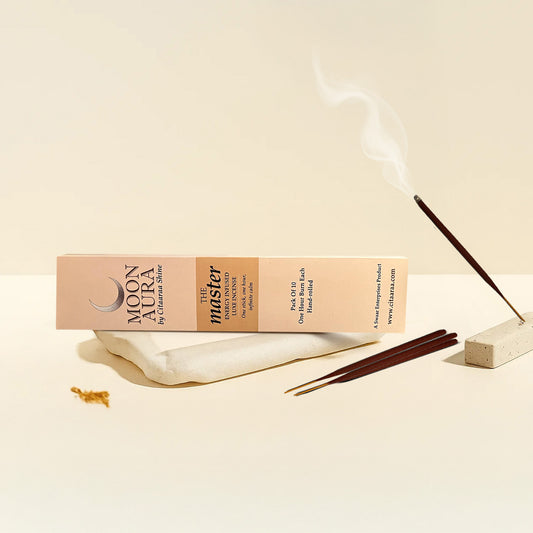
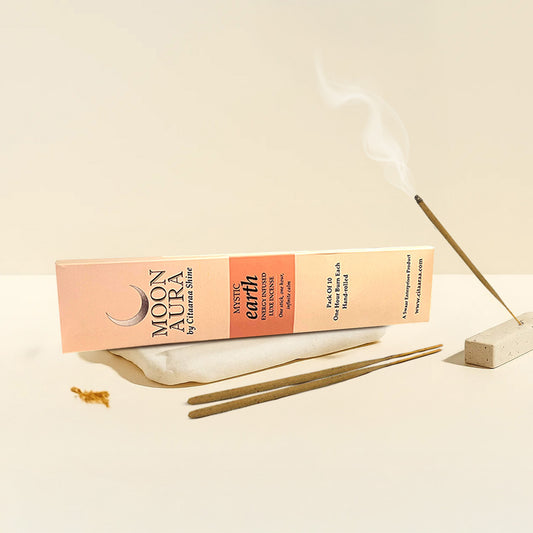
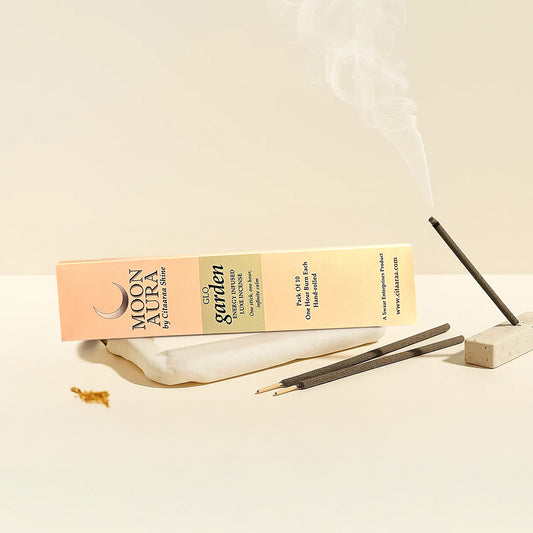


Have you ever noticed how a particular smell can bring back a memory or change your mood? The fragrance of fresh flowers might remind you of a garden, while the scent of lavender may make you think of a quiet evening at home. Smell has a close connection with our emotions, which is one reason aromatherapy has become a popular part of many people's self-care routines.
Aromatherapy uses essential oils and other aromatic plant extracts to create different sensory experiences. Some people enjoy it while meditating, others use a diffuser in their bedroom, and many simply like having a pleasant fragrance around the house.
But what exactly is aromatherapy, and how can you use it in everyday life? Let's explore.
What Is Aromatherapy?
Aromatherapy is a complementary wellness practice that involves using aromatic substances, particularly essential oils obtained from plants. These oils can come from flowers, leaves, bark, roots, peels, and other parts of a plant.
Lavender, peppermint, lemon, eucalyptus, and sandalwood are some familiar examples. Each has its own fragrance, so people choose different oils depending on their preferences and the atmosphere they want to create.
For instance, you might enjoy lavender while winding down before bed or prefer the fresh smell of lemon when cleaning your living space. Someone who meditates regularly may choose a woody fragrance such as sandalwood.
Aromatherapy is not a cure for illness. However, some people find it helpful as part of a relaxing routine that supports their general sense of well-being.
How Does Aromatherapy Work?
Our sense of smell does more than help us recognise different scents. Smells can also bring back memories and influence how we feel in a particular moment.
When you inhale an aroma, receptors inside your nose detect the scent molecules and send signals to the brain. These signals reach areas involved in processing smells, emotions, and memories. This helps explain why certain fragrances may feel familiar, comforting, or refreshing.
There are several ways to experience aromatherapy.
Inhaling Essential Oils
One simple approach is to smell an essential oil from a suitable distance or use a product designed for aromatic inhalation. You can choose a fragrance that you personally enjoy rather than following a long list of oils.
Using an Aromatherapy Diffuser
A diffuser spreads fragrance into the surrounding air. It can be used in a living room, meditation corner, or another suitable space, provided the room has adequate ventilation and the device is used according to its instructions.
Aromatherapy Massage
Some massage practices incorporate essential oils mixed with carrier oils, such as sweet almond or jojoba oil. The combination of massage and fragrance can make the experience more relaxing for some people. Essential oils should never be applied directly to the skin without appropriate dilution.
What Are the Potential Benefits of Aromatherapy?
People use aromatherapy for different reasons. While research is still developing and results vary, some uses have more encouraging evidence than others.
1. It Can Be Part of a Relaxation Routine
After a busy day, a quiet room, comfortable seating, and a fragrance you enjoy can help you set aside time for yourself. Lavender is frequently used in relaxation routines, although individual responses differ.
Try pairing a gentle aroma with a few minutes of slow breathing rather than expecting the oil alone to eliminate stress.
2. It May Support a Bedtime Ritual
If you find it difficult to switch off at the end of the day, a consistent evening routine may help you prepare for sleep. Some people include a familiar scent, dim lighting, or quiet reading in that routine.
Lavender is a popular choice, but aromatherapy does not work equally well for everyone. Persistent sleep difficulties deserve proper medical attention.
3. It Makes Everyday Spaces More Pleasant
Fragrance can change the character of a room. A citrus scent may feel bright and fresh, while a woody fragrance can create a warmer atmosphere.
This is one of the simplest reasons people use diffusers: they enjoy making their surroundings feel more inviting.
4. It Can Complement Meditation
Meditation does not require special equipment, but some people like to include fragrance as part of their practice.
For example, you could choose a mild sandalwood aroma, sit comfortably, and focus on your breathing for five minutes. The fragrance becomes a familiar part of the routine rather than something you need to rely on to achieve a particular result.
5. It Offers a Sensory Break During the Day
A pleasant fragrance can provide a small change of pace during a busy day. Some people enjoy peppermint or lemon aromas while working, although these scents are not proven treatments for low energy or poor concentration.
The important thing is to choose something you find comfortable and avoid strong fragrances that cause irritation or headaches.
Which Essential Oils Are Commonly Used in Aromatherapy?
There is no single essential oil that suits everyone. Your choice can depend on the fragrance you like, how you plan to use it, and whether you have any sensitivities.
Lavender Essential Oil
Lavender has a soft, floral scent. It is widely associated with evening routines, relaxation, and quiet moments at home.
Lemon Essential Oil
Lemon has a bright, citrus fragrance that works well for people who prefer fresh-smelling spaces. It is often used in daytime aromatic routines.
Peppermint Essential Oil
Peppermint has a sharp, minty aroma. Some people enjoy its refreshing character in a workspace or during a morning routine.
Eucalyptus Essential Oil
Eucalyptus has a distinctive herbal scent. It is used in various aromatic products, but its fragrance should not be mistaken for a treatment for respiratory illness.
Sandalwood Essential Oil
Sandalwood is known for its warm, woody fragrance. It is traditionally associated with meditation and spiritual practices, making it a popular option for a dedicated meditation space.
Frankincense Essential Oil
Frankincense has an earthy, resinous aroma. It has a long history of use in incense and spiritual traditions, and some people enjoy its fragrance during quiet reflection.
How to Use Aromatherapy at Home
You do not need an elaborate setup to explore aromatherapy. Begin with one fragrance and see how it fits into your routine.
Step 1: Choose a scent you enjoy. Lavender, lemon, and sandalwood are possible starting points, but personal preference matters most.
Step 2: Select the right method. Depending on the product, you might use a diffuser, a purpose-made inhalation product, or a properly diluted oil for massage.
Step 3: Follow the product instructions. Different oils and devices have different requirements. Avoid adding more oil than recommended.
Step 4: Keep the space comfortable. Good ventilation is important, particularly if you are using a diffuser in a smaller room.
Step 5: Make it part of an existing habit. You might use a fragrance while reading, practising meditation, or preparing for bed. There is no need to use aromatherapy throughout the day.
What Is an Aromatherapy Diffuser?
An aromatherapy diffuser is a device that releases fragrance into the surrounding environment. Different designs work in different ways, so it helps to understand the main types before choosing one.
Ultrasonic Diffusers
These devices use water and ultrasonic vibrations to disperse a fine mist. They are popular for home use, but you should follow the manufacturer's instructions about water and essential oil quantities.
Nebulizing Diffusers
Nebulizing diffusers disperse essential oil without mixing it with water. Because they may release a more concentrated aroma, careful use and suitable ventilation are especially important.
Reed Diffusers
Reed diffusers use porous reeds placed in a container of scented liquid. The fragrance gradually travels up the reeds and spreads through the room. Some contain essential oils, while others use fragrance blends, so check the ingredients if that distinction matters to you.
When selecting a diffuser, consider your room size, cleaning requirements, fragrance preferences, and the safety instructions supplied with the product.
Is Aromatherapy Safe?
Essential oils are concentrated substances, so natural does not automatically mean harmless. A few precautions can make their use safer.
-
Never swallow essential oils as a home remedy.
-
Do not apply undiluted essential oils directly to your skin.
-
Follow appropriate dilution guidance and discontinue use if irritation develops.
-
Use diffusers in ventilated rooms and avoid continuous, excessive exposure.
-
Keep oils away from children and store them securely.
-
Take extra care during pregnancy or around babies and young children.
-
If you have asthma, allergies, or fragrance sensitivity, consult a healthcare professional before trying aromatherapy.
-
Be particularly cautious around pets. Some essential oils can be harmful to animals, even when they are commonly used in human wellness products.
If a fragrance causes coughing, breathing difficulty, a headache, or skin irritation, stop using it. Seek medical advice when symptoms are significant or persistent.
Aromatherapy vs. Regular Fragrance: What Is the Difference?
The terms can sound similar, but they do not always refer to the same thing.
Essential oils are concentrated aromatic extracts obtained from plant materials. Fragrance oils are formulated to provide a particular scent and may contain synthetic ingredients, natural ingredients, or both.
Both can make a room smell pleasant, but their ingredients and intended uses may differ. A fragrance product designed for a room should not automatically be used on the skin or in an essential oil diffuser.
Check the product label and manufacturer's instructions before use, especially if you want to use a product for a specific aromatherapy application.
Frequently Asked Questions About Aromatherapy
What is aromatherapy mainly used for?
Aromatherapy is commonly used to create pleasant surroundings and complement relaxation, massage, meditation, and bedtime routines. It should not replace appropriate medical treatment.
Which essential oil is best for beginners?
Lavender, lemon, and peppermint are common starting points because their fragrances are familiar to many people. Choose an oil based on your preferences and safety requirements rather than assuming one oil is best for everyone.
Can aromatherapy be used every day?
Some people use aromatherapy regularly, but safe use depends on the oil, concentration, method, duration of exposure, and individual sensitivities. Follow product instructions and avoid prolonged exposure to strong aromas.
Does aromatherapy help with sleep?
Some people find a familiar, pleasant fragrance helpful as part of their bedtime routine. However, evidence for consistent improvements in sleep is limited, and aromatherapy is not a substitute for addressing ongoing sleep problems.
Can I use essential oils without a diffuser?
Yes. Depending on the product, you can experience an aroma through a suitable inhalation method or use a properly diluted oil for massage. Always follow the product's intended use and safety guidance.
Is aromatherapy suitable for everyone?
No. Essential oils can trigger allergies, irritation, or breathing symptoms in some people. Children, pregnant people, individuals with respiratory conditions, and households with pets may need additional precautions.
Final Thoughts
Aromatherapy does not have to involve a complicated routine or a cupboard full of essential oils. It can be as simple as choosing a fragrance you enjoy and making a little time for yourself.
You might prefer lavender in the evening, lemon during the day, or sandalwood while meditating. Experiment carefully, pay attention to how you respond, and remember that the goal is to complement your well-being rather than expect a fragrance to solve every problem.
If you are exploring aromatic self-care, Citaaraa's essential oils and diffuser collections can be a useful place to discover products that suit your preferences. Check each product's ingredients and directions before use.