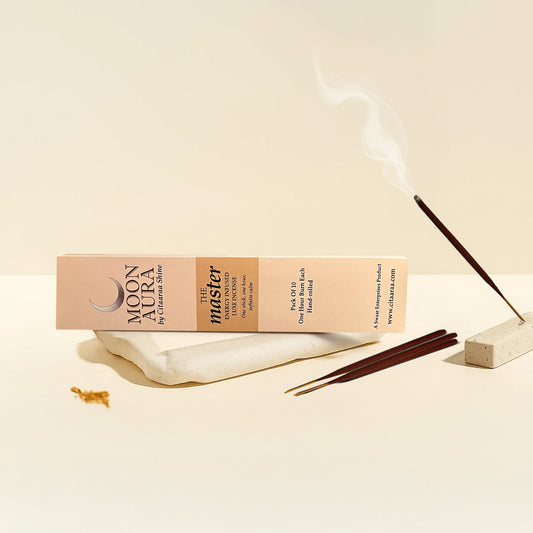
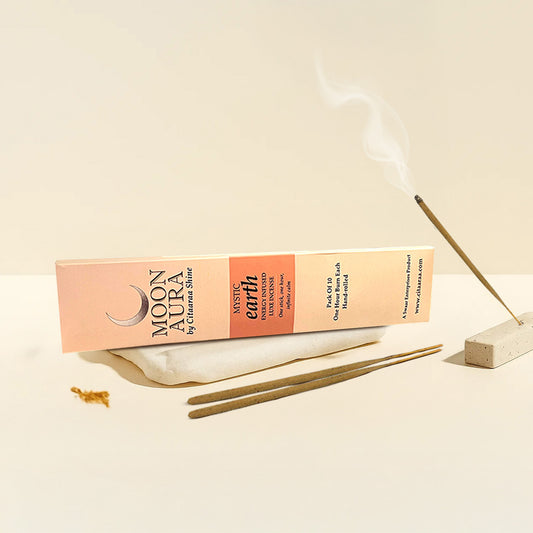
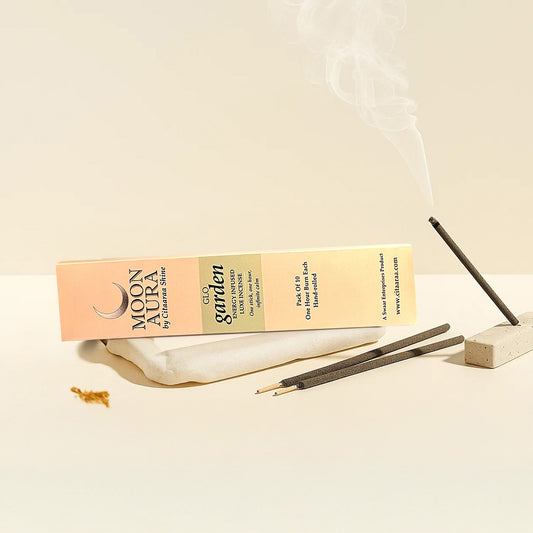
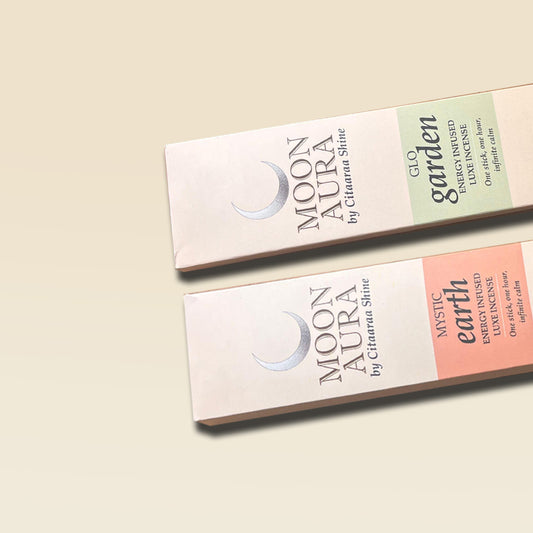


Incense sticks have been used for centuries across cultures as a simple way to create a pleasant atmosphere, support spiritual practices, and add a beautiful fragrance to indoor spaces. From traditional Indian पूजा rooms to modern homes, meditation studios, and wellness spaces, incense continues to be a popular part of everyday rituals.
But with so many fragrances, ingredients, and varieties available, choosing the right incense stick can sometimes feel overwhelming.
In this guide, we’ll explore what incense sticks are, their different types, potential benefits, popular fragrances, how to use them safely, and tips for choosing the right incense for your home.
What Are Incense Sticks?
Buy Incense SticksIncense sticks are fragrant products designed to release aromatic smoke when burned. They are generally made using a combination of aromatic materials such as herbs, flowers, woods, resins, essential oils, and natural powders.
The ingredients are formed around a thin bamboo stick or made into a bamboo-free incense stick, depending on the manufacturing method. When lit, the incense slowly burns and releases its fragrance into the surrounding environment.
Incense has traditionally been associated with religious ceremonies and meditation, but today it is also widely used for relaxation, home fragrance, yoga, and creating a calming atmosphere.
A Brief History of Incense
The use of incense dates back thousands of years. Ancient civilizations used aromatic materials during religious ceremonies, royal gatherings, purification rituals, and traditional healing practices.
In India, incense has a particularly strong cultural connection. Traditional incense products such as agarbatti have long been used during पूजा, meditation, festivals, and daily household rituals.
Over time, incense evolved from primarily being a religious product into a popular home-fragrance product available in a wide variety of scents.
Popular Types of Incense Sticks
There are many varieties of incense available today. Understanding the differences can help you select the right option for your needs.
1. Masala Incense Sticks
Masala incense is traditionally made using aromatic herbs, spices, resins, woods, flowers, and natural ingredients.
These incense sticks generally have a rich and complex fragrance and are particularly popular among people who prefer traditional aromas.
2. Charcoal Incense Sticks
Charcoal-based incense is designed to burn relatively evenly while carrying fragrance materials. Depending on the ingredients and formulation, these sticks can produce a stronger aroma.
3. Bamboo-Free Incense Sticks
Bamboo-free incense sticks are made without the traditional bamboo core. They are often preferred by people looking for a different burning experience or a more minimal incense format.
4. Herbal Incense Sticks
Herbal incense sticks are formulated using aromatic herbs and plant-based ingredients. They are popular among consumers who prefer earthy and botanical fragrances.
5. Premium Fragrance Incense
Premium incense products may use carefully blended fragrance oils, essential oils, woods, resins, flowers, and other aromatic ingredients to create sophisticated scents.
These are often chosen for homes, meditation spaces, boutique environments, and gifting.
Popular Incense Stick Fragrances
The fragrance you choose can significantly influence the atmosphere of a room.
Sandalwood
Sandalwood is one of the most recognizable incense fragrances. It has a warm, woody, smooth aroma and is strongly associated with traditional Indian rituals and meditation.
Rose
Rose incense provides a floral and sweet fragrance. It can be a suitable choice when you want your room to have a soft, pleasant floral aroma.
Jasmine
Jasmine has a rich floral fragrance that is often associated with relaxation and traditional Indian culture.
Lavender
Lavender is widely recognized for its fresh, floral and herbaceous aroma. Many people choose lavender incense as part of their evening relaxation routine.
Frankincense
Frankincense has a distinctive resinous and slightly woody aroma. It has been used in religious and ceremonial traditions for centuries.
Patchouli
Patchouli offers a deep, earthy fragrance and is popular among people who prefer rich, warm aromas.
Mogra
Mogra, or Indian jasmine, is known for its strong and sweet floral fragrance and is particularly popular in Indian households.
Potential Benefits of Incense Sticks
Incense should not be considered a medical treatment, but many people enjoy it for sensory and ritual purposes.
Creates a Pleasant Atmosphere
A well-chosen fragrance can make a room feel more inviting. Incense can help introduce a distinctive aroma into living rooms, bedrooms, meditation spaces, and other areas.
Supports Meditation and Mindfulness
Lighting incense can become part of a regular meditation ritual. The fragrance and familiar routine may help create a dedicated environment for quiet reflection.
Enhances Spiritual Rituals
Incense has an important role in many spiritual and religious traditions. Its fragrance can accompany prayer, पूजा, ceremonies, and festivals.
Helps Create a Relaxing Environment
Some people enjoy fragrances such as sandalwood or lavender while reading, practicing yoga, meditating, or winding down in the evening.
Masks Unpleasant Odours
Incense can also be used as a home fragrance to help cover unwanted household smells with a stronger aromatic scent.
How to Use Incense Sticks
Using incense is simple, but it should always be done carefully.
-
Place the incense stick in a stable, heat-resistant incense holder.
-
Position the holder on a flat and non-flammable surface.
-
Light the tip of the incense stick.
-
Allow the flame to burn briefly.
-
Gently extinguish the flame so that the stick continues to smoulder.
-
Allow the fragrance to spread naturally through the room.
-
Never leave burning incense unattended.
For better airflow, use incense in a properly ventilated room.
How to Choose the Right Incense Sticks
With hundreds of fragrances and formulations available, consider the following factors before purchasing.
Consider the Fragrance
Choose a scent according to the atmosphere you want to create.
-
Meditation: Sandalwood, frankincense, cedarwood
-
Relaxation: Lavender, chamomile, sandalwood
-
Floral atmosphere: Rose, jasmine, mogra
-
Earthy atmosphere: Patchouli, vetiver, cedarwood
-
Traditional rituals: Sandalwood, frankincense, floral blends
Check the Ingredients
If ingredients are important to you, read the product label carefully. Look for information about the aromatic materials, fragrance oils, binders, and other components used.
Consider Burn Time
Different incense sticks can have different burn times. If you want a short fragrance session, choose smaller or faster-burning sticks. For longer rituals, look for products designed for extended burning.
Choose the Right Strength
Not everyone enjoys a strong fragrance. If you're new to incense, start with a mild or moderately scented variety and see how you like it.
Look at the Packaging
Good packaging can help protect incense from moisture and preserve its fragrance. For gifting, premium boxes can also make incense a thoughtful addition to a wellness or spiritual gift set.
Incense Sticks for Different Occasions
Incense can easily become part of different daily routines.
For Morning Rituals
Fresh floral or woody fragrances can complement a morning पूजा or meditation routine.
For Meditation
Earthy and subtle fragrances such as sandalwood or frankincense can create a dedicated sensory environment.
For Yoga
Choose a fragrance that is pleasant but not overpowering. Mild botanical or woody aromas can work well in a yoga space.
For Festivals
Traditional fragrances and decorative incense packs can complement festive पूजा and celebrations.
For Gifting
A beautifully packaged incense collection can be combined with candles, essential oils, spiritual décor, or other wellness products to create a thoughtful gift.
Incense Sticks vs. Incense Cones
Incense sticks and cones serve a similar purpose but offer different formats.
Incense sticks are convenient because they are easy to place in a holder and generally provide a steady fragrance experience.
Incense cones are compact and do not require a bamboo stick, but they can produce a more concentrated fragrance and may burn differently.
The better option ultimately depends on your preferred fragrance intensity, burning time, and overall experience.
Safety Tips for Burning Incense
Although incense sticks are simple to use, they involve an open flame and burning material.
Always:
-
Use a stable, heat-resistant holder.
-
Keep incense away from curtains, paper, furniture, and other flammable materials.
-
Keep burning incense away from children and pets.
-
Never leave burning incense unattended.
-
Avoid placing incense directly underneath shelves or cabinets.
-
Maintain reasonable ventilation.
-
Extinguish the incense completely after use.
People who are sensitive to smoke or strong fragrances should take additional care and consider alternatives such as fragrance diffusers.
Why Incense Remains Popular Today
Despite its ancient origins, incense continues to fit naturally into modern lifestyles. Its appeal comes from the combination of fragrance, tradition, ritual, and sensory experience.
For some people, lighting an incense stick marks the beginning of meditation. For others, it is part of daily पूजा or simply a way to make their home smell pleasant.
The wide range of fragrances available today also means that incense can be adapted to different preferences—from traditional sandalwood and jasmine to contemporary floral, woody, and botanical blends.
Final Thoughts
Incense sticks are more than just a source of fragrance. They can become part of a daily ritual, meditation practice, spiritual ceremony, or simple home-fragrance routine.
Whether you prefer the classic aroma of sandalwood, the sweetness of jasmine, the freshness of lavender, or the richness of frankincense, there is an incense fragrance for almost every preference.
Choose quality ingredients, select a fragrance that suits your environment, use incense responsibly, and enjoy it as a simple sensory addition to your daily routine.